
1. Introduction
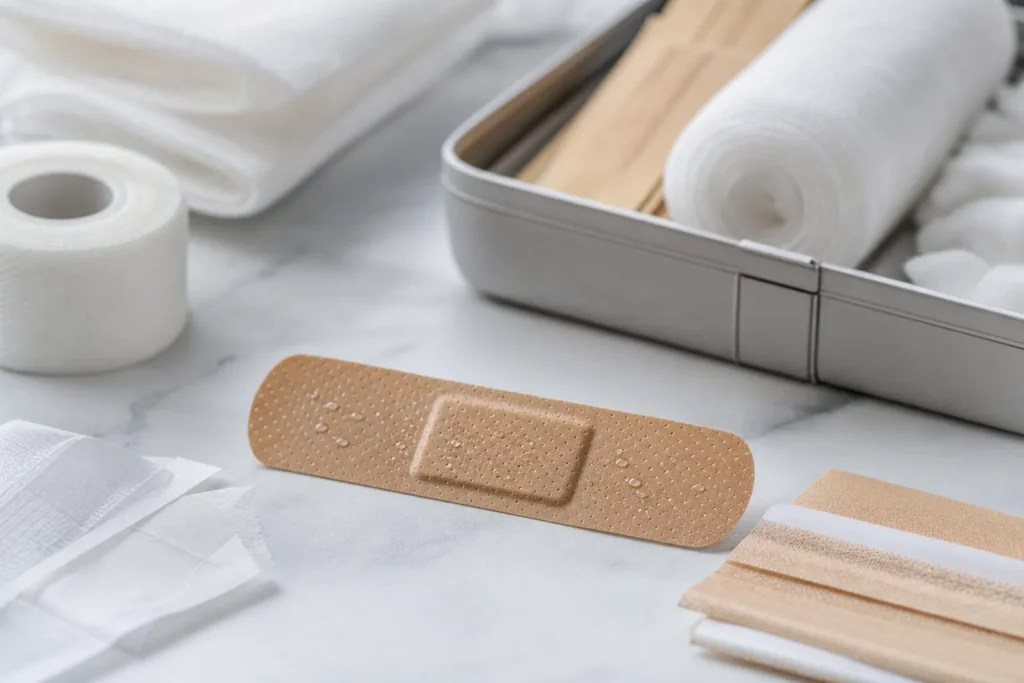
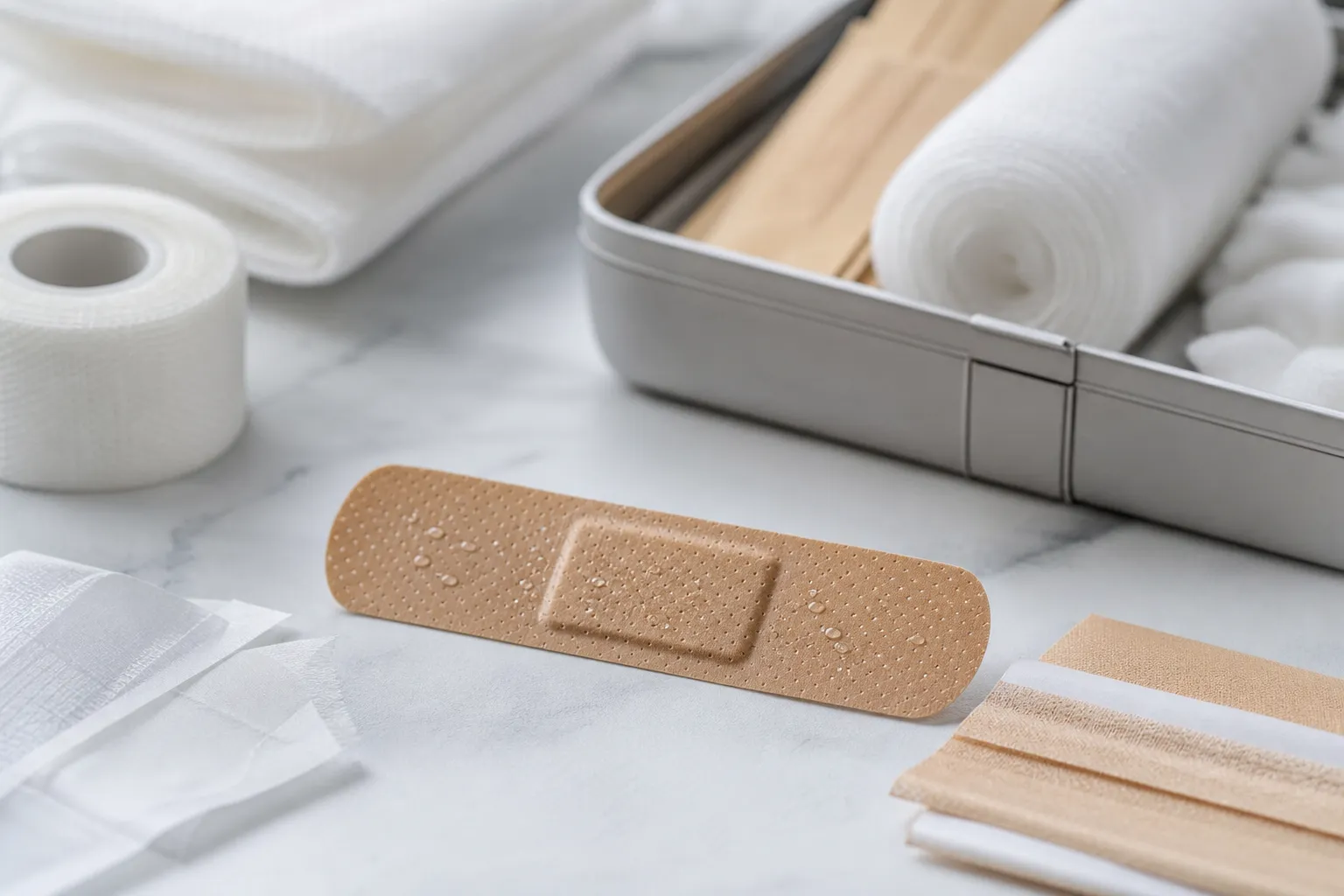
In the realm of healthcare, effective wound care products are critical for ensuring optimal patient outcomes. Wound management is a vital component of medical treatment, influencing healing times, infection rates, and overall patient satisfaction. Among the various options available, waterproof bandages have emerged as a pivotal solution in modern wound care. These specialized bandages not only protect wounds from external contaminants but also promote a conducive healing environment. This article delves into the benefits and specifications of waterproof bandages, offering insights into their essential role in wound care solutions.
2. Specifications of Waterproof Bandages
Waterproof bandages are designed with specific material compositions that differentiate them from traditional bandages. Typically made from advanced polymer materials, these bandages provide an impermeable barrier against water, dirt, and bacteria. The adhesive properties of waterproof bandages are equally important; they are engineered to stick securely to the skin while allowing for flexibility and movement. This ensures that the bandage remains in place during daily activities, even when exposed to moisture.
Additionally, waterproof bandages come in a variety of sizes and shapes, catering to different types of wounds and body parts. From small cuts to larger abrasions, these bandages can be tailored to fit the specific needs of the wound, ensuring comprehensive coverage and protection.
3. Use Cases for Waterproof Bandages
The versatility of waterproof bandages makes them suitable for various applications. In everyday wound management, these bandages are ideal for minor cuts and scrapes, providing a reliable barrier that allows patients to carry on with their daily routines without the fear of compromising the healing process.
In surgical settings, waterproof bandages play a crucial role in post-operative care. They protect surgical incisions from moisture and contaminants, reducing the risk of infection and promoting faster healing. Furthermore, for athletes and outdoor enthusiasts, waterproof bandages are indispensable. They allow individuals to engage in sports and outdoor activities without worrying about their wounds being exposed to water or dirt.
4. Comparison with Other Wound Care Products
When comparing waterproof bandages to traditional bandages, several key differences emerge. Waterproof bandages offer superior protection against moisture, which is a significant advantage in preventing infection. Traditional bandages, while effective for dry environments, can become compromised when exposed to water, leading to potential complications.
From a cost-effectiveness perspective, waterproof bandages may have a higher upfront cost but often prove to be more economical in the long run. Their durability and effectiveness can reduce the frequency of dressing changes, ultimately saving time and resources. Performance metrics further support the superiority of waterproof bandages, as studies have shown that wounds covered with these bandages heal more rapidly and with fewer complications compared to those treated with traditional methods.
5. Sourcing Waterproof Bandages
For healthcare providers looking to incorporate waterproof bandages into their wound care solutions, sourcing reliable suppliers is essential. It is crucial to identify manufacturers that adhere to stringent quality assurance standards, ensuring that the products meet the necessary safety and efficacy requirements. Certifications from recognized health organizations can serve as a benchmark for quality.
Bulk purchasing options are also worth considering, as they can lead to significant cost savings for medical facilities. Establishing partnerships with suppliers can facilitate access to the latest innovations in medical technology solutions, including advanced waterproof bandage designs.
6. Implementation in Medical Settings
Successfully implementing waterproof bandages in medical settings requires adequate training for staff on their usage. Understanding the correct application techniques and the specific indications for use will maximize the benefits of these bandages. Moreover, integrating waterproof bandages into existing wound care protocols ensures consistency and enhances patient care.
Monitoring and evaluating the effectiveness of waterproof bandages is essential for continuous improvement. Collecting data on healing outcomes and patient feedback can provide valuable insights into their impact on wound management practices.
7. Frequently Asked Questions
**How do waterproof bandages work?**
Waterproof bandages utilize advanced materials that create a barrier against moisture and contaminants, allowing for a safe healing environment while keeping the wound protected.
**What are the limitations of waterproof bandages?**
While waterproof bandages are effective for many types of wounds, they may not be suitable for deep or heavily exudating wounds, which require different types of dressings for optimal care.
**Can waterproof bandages be used on all types of wounds?**
Waterproof bandages are ideal for minor cuts, scrapes, and surgical incisions but should be used judiciously on more severe wounds. Consulting with healthcare professionals for appropriate wound management is always recommended.
In conclusion, waterproof bandages represent a significant advancement in wound care products, offering numerous benefits across various applications. Their material composition, adhesive properties, and versatility make them an essential component of effective wound management strategies in both everyday and clinical settings.