
The Role of Antibacterial Products in Hospital Disinfection Supplies
Introduction to Antibacterial Products
Antibacterial products are specialized formulations designed to kill or inhibit the growth of bacteria. They play a crucial role in maintaining hygiene and preventing the spread of infections, especially in sensitive environments like hospitals. The importance of these products cannot be overstated; they are essential components of hospital disinfection supplies, aimed at protecting patients, healthcare workers, and visitors from healthcare-associated infections (HAIs). With the increasing prevalence of antibiotic-resistant bacteria, the need for effective antibacterial solutions has become more critical than ever.
Hospitals face unique challenges in disinfection due to high foot traffic, the presence of vulnerable patients, and the variety of pathogens that can thrive in medical settings. As such, understanding the role of antibacterial products is vital for effective infection control and patient safety.
Specifications of Antibacterial Products
The efficacy of antibacterial products largely depends on their active ingredients. Commonly used agents include alcohol, chlorine compounds, quaternary ammonium compounds, and hydrogen peroxide. Each of these ingredients has its own spectrum of activity against various bacteria and viruses. For instance, alcohol-based products are effective against a wide range of pathogens but may not be suitable for all surfaces.
In addition to active ingredients, safety standards and certifications are critical when selecting antibacterial products. Regulatory bodies like the Environmental Protection Agency (EPA) and the Food and Drug Administration (FDA) provide guidelines and certifications that ensure products meet safety and efficacy standards. Hospitals must prioritize products that comply with these regulations to ensure the safety of both patients and staff.
Use Cases in Hospital Settings
Antibacterial products have multiple applications in hospital settings, primarily focusing on surface disinfection and hand hygiene practices.
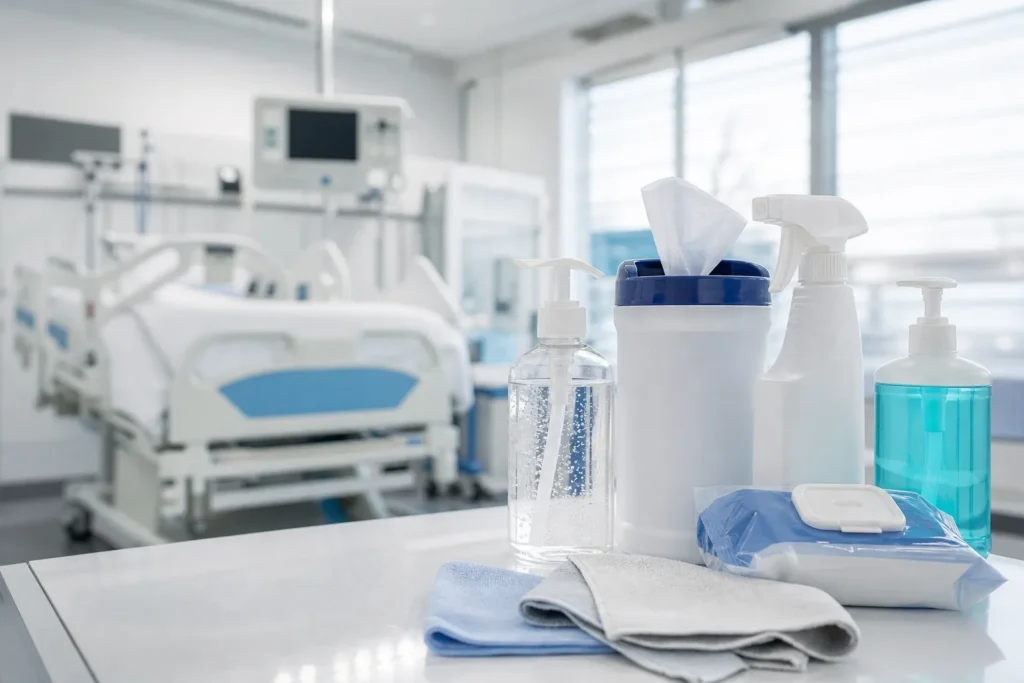
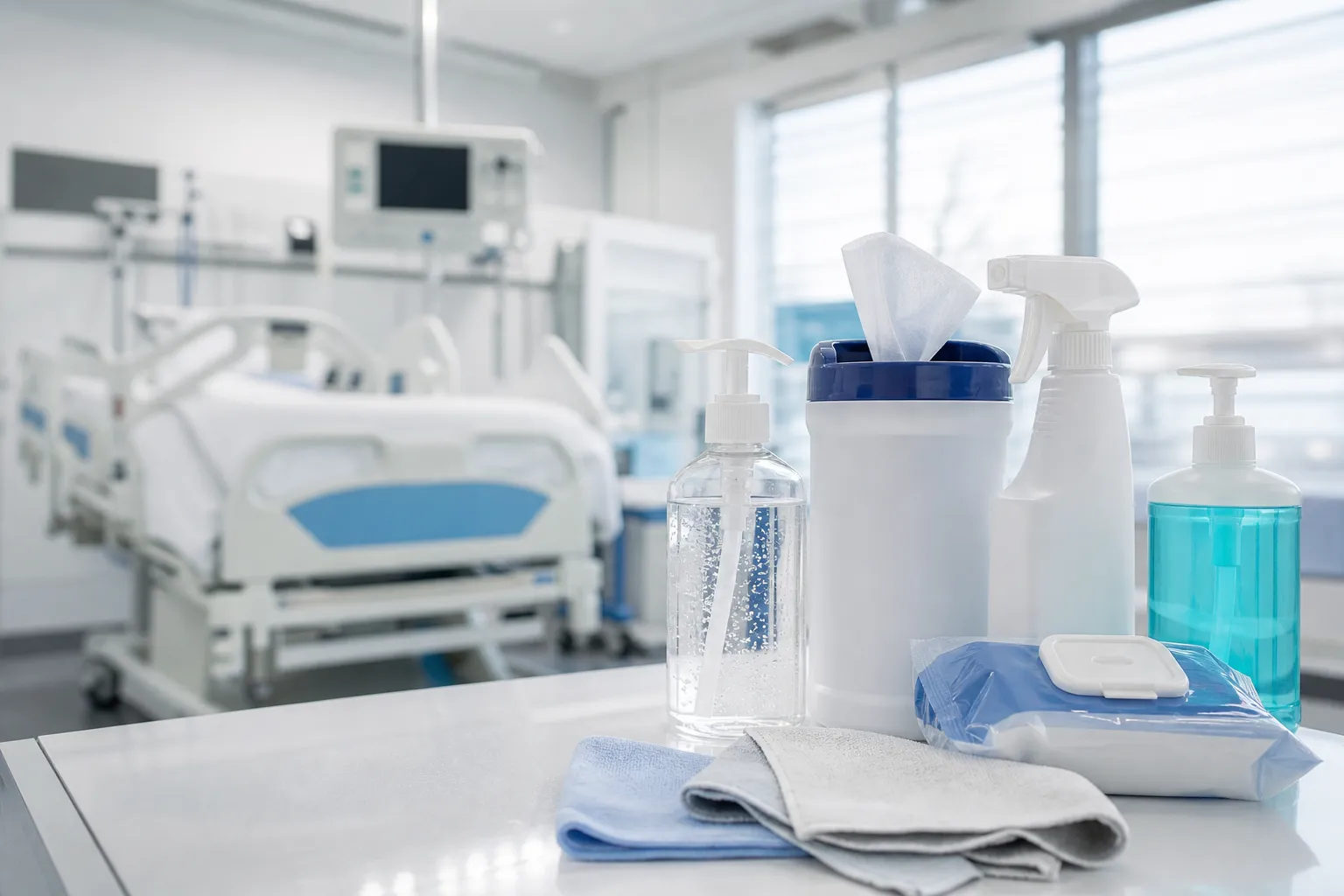
**Surface Disinfection:** Regular disinfection of high-touch surfaces such as doorknobs, bedrails, and medical equipment is essential to minimize the risk of cross-contamination. Antibacterial wipes and sprays are commonly used for this purpose, offering quick and effective solutions to maintain a sterile environment.
**Hand Hygiene Practices:** Healthcare workers are the frontline defenders against the spread of infections. Antibacterial hand sanitizers are a critical part of hand hygiene protocols, especially when soap and water are not readily available. Proper hand hygiene practices can significantly reduce the transmission of pathogens in healthcare settings.
Comparison of Hospital Disinfection Products
When evaluating hospital disinfection products, it is important to compare options such as antibacterial wipes and sprays.
**Antibacterial Wipes vs. Sprays:** Wipes are convenient for quick clean-ups and are often pre-moistened with effective antibacterial solutions, making them easy to use on surfaces. Sprays, on the other hand, may offer broader coverage and can be more effective for larger areas. However, they may require additional drying time and may not be as user-friendly in fast-paced hospital environments.
**Effectiveness Against Various Pathogens:** Different antibacterial products vary in their effectiveness against specific pathogens. It is crucial for hospitals to select products that are proven to be effective against the most common and dangerous bacteria found in medical settings, such as MRSA, C. difficile, and E. coli.
Sourcing Antibacterial Products
When sourcing antibacterial products, hospitals must evaluate suppliers carefully. Factors to consider include the supplier’s reputation, product range, and compliance with safety regulations. Establishing relationships with reliable suppliers can ensure a consistent supply of high-quality antibacterial products.
Cost considerations and budgeting are also significant. Hospitals must balance quality with affordability, ensuring they invest in products that provide the best value without compromising safety. Bulk purchasing and long-term contracts can often lead to cost savings. Bulk purchasing strategies can be beneficial in this regard.
Implementation Strategies
Successful implementation of antibacterial products in hospitals requires effective training and monitoring.
**Training Staff on Proper Use:** Healthcare staff should be trained on the correct usage of antibacterial products, including the right application techniques and the importance of following manufacturer’s instructions. Regular training sessions can help reinforce best practices and keep staff updated on new products and protocols.
**Monitoring and Compliance:** Hospitals should establish monitoring systems to ensure compliance with disinfection protocols. Regular audits and feedback can help identify areas for improvement and ensure that antibacterial products are being used effectively.
FAQs about Antibacterial Products
**Common Misconceptions:** One common misconception is that antibacterial products are always superior to regular cleaning agents. While they are essential for killing bacteria, they should complement regular cleaning practices rather than replace them.
**Best Practices for Use:** To maximize the effectiveness of antibacterial products, it is important to follow best practices such as allowing sufficient contact time for the product to work, using the products on clean surfaces, and adhering to safety guidelines.
Conclusion
The role of antibacterial products in hospital disinfection supplies is indispensable in the fight against infections in healthcare settings. By understanding their specifications, applications, and the importance of proper sourcing and implementation, hospitals can enhance their infection control measures. Ultimately, prioritizing the use of effective antibacterial products is essential for safeguarding the health and well-being of patients and healthcare providers alike.