
Exploring Custom Bandage Design for Enhanced Wound Healing Solutions
**1. Introduction to Custom Bandage Design**
Custom bandage design refers to the tailored creation of wound dressings that meet specific medical and patient needs. Unlike standard bandages, custom designs can be adapted in size, shape, and functionality to optimize healing. The importance of custom bandage design in wound healing solutions cannot be overstated; it allows healthcare professionals to address unique challenges presented by different types of wounds, thereby improving patient outcomes and expediting recovery. For more insights on this topic, you can refer to this industry reference.
**2. Specifications of Custom Bandages**
The effectiveness of custom bandages hinges on several key specifications.
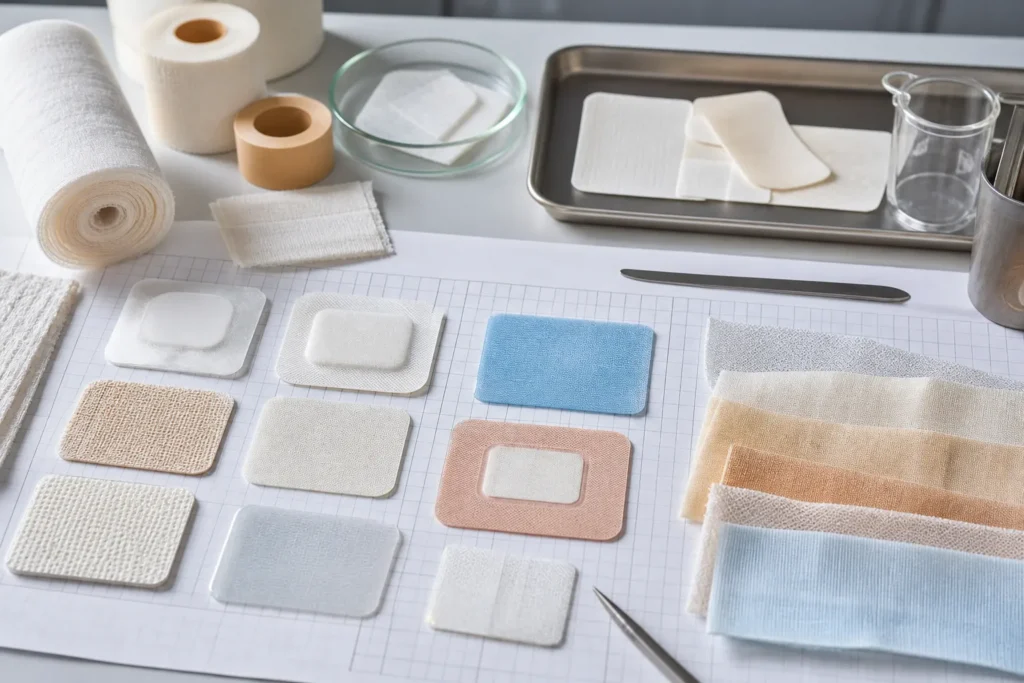
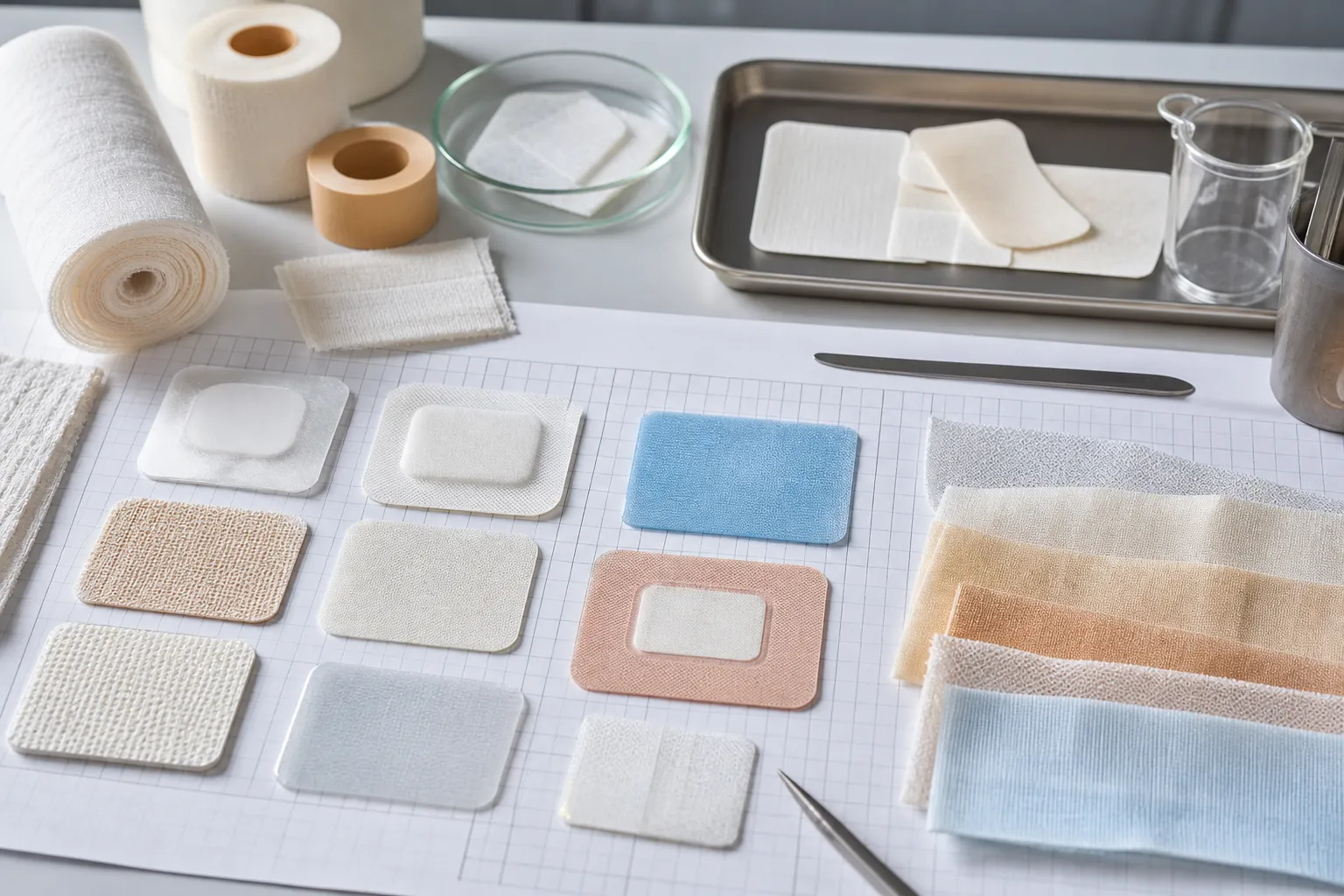
– **Materials Used in Custom Bandages:** The choice of materials is critical in ensuring that bandages provide adequate protection while promoting healing. Common materials include hydrocolloids, alginates, and silicone, each offering distinct benefits such as moisture retention and breathability.
– **Design Features for Enhanced Healing:** Custom bandages can incorporate various design features, such as antimicrobial coatings, cushioning layers, and specialized adhesives that minimize skin irritation. These features are designed to enhance the healing environment, reduce the risk of infection, and ensure patient comfort.
– **Regulatory Compliance and Standards:** Custom bandages must adhere to stringent regulatory standards to ensure safety and effectiveness. Compliance with regulations set by organizations like the FDA or ISO is essential for manufacturers to gain market access and build trust with healthcare providers.
**3. Use Cases for Custom Bandage Solutions**
Custom bandages find applications across various medical fields, demonstrating their versatility and effectiveness.
– **Applications in Different Medical Fields:** In dermatology, custom bandages can be used for chronic wounds such as diabetic ulcers, while in surgical settings, they can protect incisions and promote healing. Additionally, pediatric care often benefits from custom designs that cater to the unique needs of children. For instance, you can explore how custom cartoon band-aids can enhance children’s healthcare products.
– **Case Studies of Successful Implementations:** For instance, a hospital specializing in wound care reported a 30% reduction in healing time for patients using custom bandages compared to standard options. This success underscores the potential of tailored solutions in improving clinical outcomes.
– **Benefits for Patients and Healthcare Providers:** Custom bandages not only enhance patient comfort but also reduce the frequency of dressing changes, leading to lower healthcare costs. For providers, the ability to offer tailored solutions can differentiate their services in a competitive market.
**4. Comparing Custom Bandages to Standard Options**
When evaluating the effectiveness of custom bandages, it’s crucial to compare them to standard options.
– **Performance Metrics:** Studies indicate that custom bandages can outperform standard dressings in terms of moisture management, infection control, and overall healing rates. This enhanced performance is critical for patient recovery.
– **Cost-Effectiveness Analysis:** While the initial investment in custom bandages may be higher, the long-term savings associated with reduced healing times and fewer complications can make them more cost-effective.
– **Patient Outcomes and Satisfaction:** Patient satisfaction often improves with custom bandages, as they are designed to meet individual needs. This leads to better adherence to treatment protocols and improved overall experiences.
**5. Sourcing Custom Bandage Solutions**
Finding the right supplier for custom bandage solutions is vital for healthcare providers.
– **Finding Reliable OEM Medical Device Manufacturers:** Partnering with experienced OEM medical device manufacturers can ensure access to high-quality materials and innovative designs. You can learn more about this by visiting our products page.
– **Evaluating Supplier Capabilities:** It’s important to assess a supplier’s capabilities, including their production capacity, design expertise, and compliance with regulatory standards.
– **Negotiating Contracts and Pricing:** Establishing clear contracts that outline pricing, delivery timelines, and quality assurance measures can help in building a successful partnership with suppliers.
**6. Implementation Strategies for Custom Bandages**
Successfully integrating custom bandages into medical practices requires careful planning.
– **Integration into Existing Medical Practices:** Healthcare facilities should develop protocols for the use of custom bandages, ensuring that staff are familiar with their application and benefits.
– **Training Healthcare Staff:** Providing comprehensive training for healthcare staff on the features and benefits of custom bandages can enhance their effectiveness and encourage adoption.
– **Monitoring and Feedback Mechanisms:** Implementing monitoring systems to track patient outcomes and gather feedback can facilitate continuous improvement in the use of custom bandages.
**7. Frequently Asked Questions**
– **What are the benefits of custom bandages?** Custom bandages provide tailored solutions that enhance healing, improve patient comfort, and reduce the risk of complications.
– **How to choose the right design?** Selecting the right design involves considering the type of wound, patient needs, and specific healing requirements.
– **What is the typical lead time for custom orders?** Lead times for custom bandages can vary based on design complexity and manufacturing capabilities, typically ranging from a few weeks to several months.
In conclusion, custom bandage design represents a significant advancement in wound healing solutions, offering tailored benefits that can enhance patient care and operational efficiency. By understanding the specifications, use cases, and sourcing strategies for custom bandages, healthcare providers can make informed decisions that ultimately lead to better patient outcomes.