
1. **Introduction**
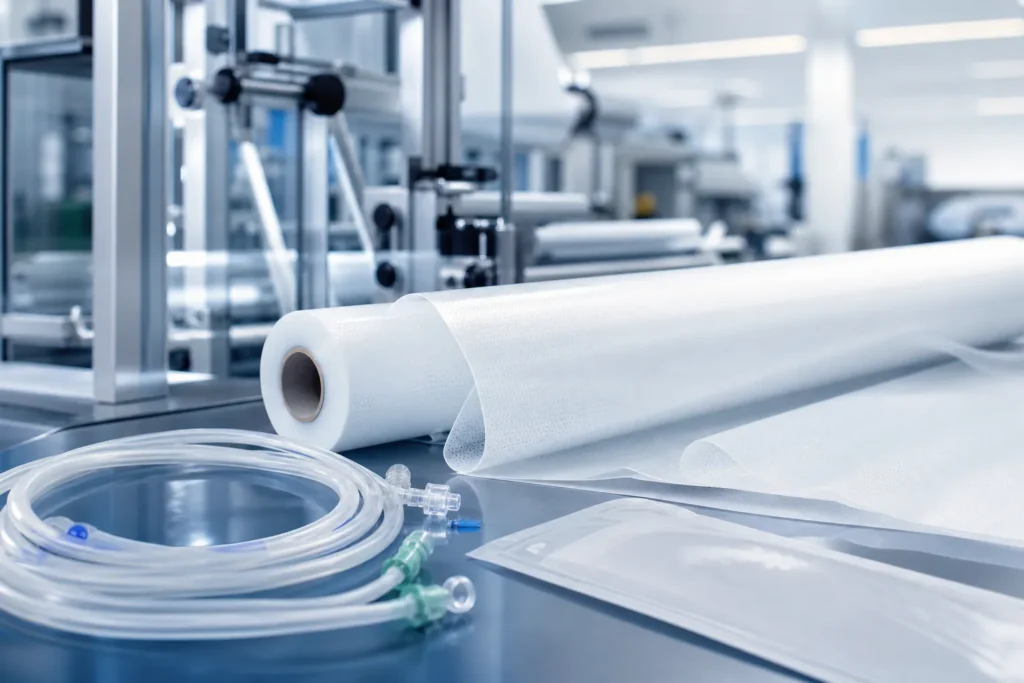
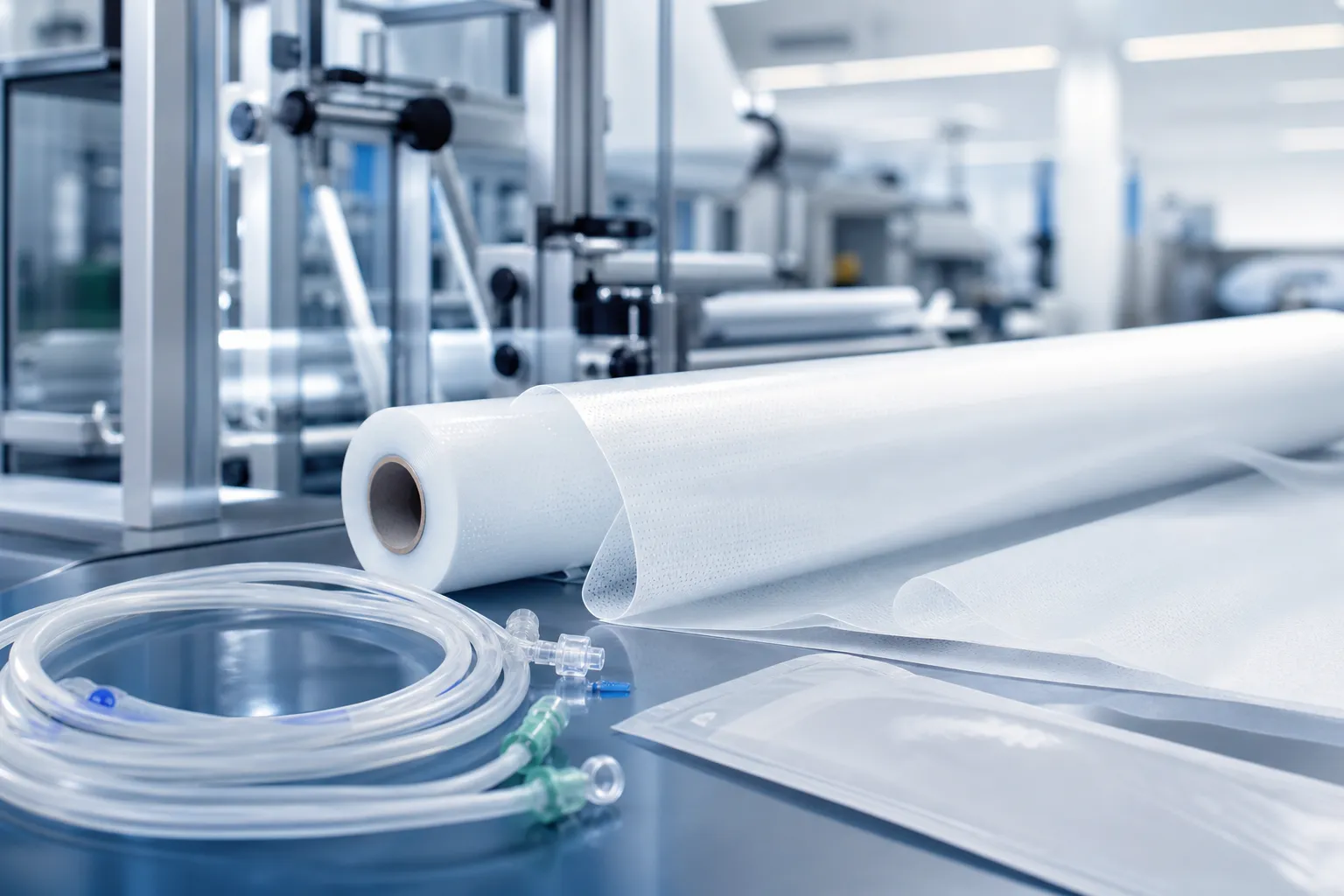
Breathable polyethylene (PE) material has emerged as a crucial component in the medical device manufacturing sector, particularly for high-tech medical products. This innovative material offers a unique combination of durability, flexibility, and breathability, making it an ideal choice for various applications in healthcare. As the demand for advanced medical devices continues to grow, understanding how to effectively utilize breathable PE material becomes essential for manufacturers aiming to enhance product quality and patient care. For more insights on the benefits of advanced materials in healthcare, check out this industry reference.
2. **Specifications of Breathable PE Material**
– **Key Properties**
Breathable PE material is characterized by its lightweight nature, moisture-wicking capabilities, and excellent barrier properties. It allows air and moisture to escape while preventing contaminants from entering, which is vital for maintaining a sterile environment in medical applications. Additionally, its chemical resistance and high tensile strength contribute to its suitability for medical devices that require longevity and reliability.
– **Compliance Standards**
In the realm of medical device manufacturing, compliance with regulatory standards is non-negotiable. Breathable PE material must meet stringent guidelines set by organizations such as the FDA and ISO. These standards ensure that the material is safe for patient use and effective in its intended applications. Manufacturers must verify that their breathable PE materials are sourced from suppliers who adhere to these compliance requirements.
3. **Use Cases in Medical Device Manufacturing**
– **Applications in High-Tech Medical Products**
The versatility of breathable PE material allows it to be utilized in various high-tech medical products, including wound dressings, surgical drapes, and respiratory devices. For instance, in wound care, breathable PE dressings promote healing by maintaining a moist environment while allowing excess moisture to escape. This not only accelerates recovery but also reduces the risk of infection. Manufacturers can explore more about related products on our Products page.
– **Benefits for Patient Care**
The integration of breathable PE material in medical devices significantly enhances patient comfort and safety. Its breathable nature minimizes skin irritation and discomfort, especially for patients requiring long-term device use. Furthermore, the material’s barrier properties help prevent infections, thereby improving overall patient outcomes.
4. **Comparison with Other Materials**
– **Breathable PE vs. Traditional Materials**
When compared to traditional materials such as PVC or non-breathable plastics, breathable PE offers distinct advantages. Traditional materials often trap moisture, leading to skin maceration and increased risk of infection. In contrast, breathable PE allows for ventilation, making it a superior choice for applications involving direct skin contact.
– **Cost-Effectiveness Analysis**
While the initial cost of breathable PE material may be higher than that of conventional materials, the long-term benefits often justify the investment. Reduced rates of complications and improved patient satisfaction can lead to lower overall healthcare costs. Additionally, the durability of breathable PE can result in fewer replacements, further enhancing its cost-effectiveness.
5. **Sourcing Breathable PE Material**
– **Identifying Reliable Suppliers**
Sourcing high-quality breathable PE material requires diligence in identifying suppliers with a proven track record in the medical device industry. Manufacturers should prioritize suppliers who specialize in medical-grade materials and have certifications that demonstrate compliance with industry standards.
– **Evaluating Material Quality**
Quality evaluation is critical when sourcing breathable PE material. Manufacturers should conduct thorough assessments, including material testing for breathability, tensile strength, and chemical resistance. Collaborating with suppliers that provide transparency in their manufacturing processes can ensure that the materials meet the necessary specifications for medical applications.
6. **Implementation in Production Processes**
– **Integration into Manufacturing Workflow**
Successfully integrating breathable PE material into manufacturing workflows involves careful planning and training. Manufacturers must adapt their production processes to accommodate the unique properties of breathable PE, ensuring that machinery and handling procedures are optimized for this material.
– **Challenges and Solutions**
While integrating breathable PE material can present challenges, such as adjusting to new processing techniques or ensuring consistent quality, these can be mitigated through proactive measures. Investing in staff training and establishing quality control protocols can help address potential issues and streamline production.
7. **FAQs about Breathable PE Material**
– **Common Questions from B2B Buyers**
B2B buyers often inquire about the safety and efficacy of breathable PE material in medical applications. Questions may include its compatibility with various sterilization methods and its performance under different environmental conditions.
– **Expert Insights**
Experts recommend that manufacturers stay informed about advancements in breathable PE technology. Continuous research and development can lead to improved material formulations that enhance performance and expand application possibilities. For further technical insights, refer to this technical reference.
8. **Conclusion**
In summary, breathable PE material plays a pivotal role in the evolution of medical device manufacturing, particularly for high-tech medical products. Its unique properties contribute to enhanced patient care and operational efficiency. As the industry continues to innovate, manufacturers who effectively harness the benefits of breathable PE material will be well-positioned to lead in the competitive medical landscape. Future trends suggest an increasing reliance on advanced materials like breathable PE, paving the way for even more sophisticated medical solutions.