
1. Introduction
In the fast-paced environment of healthcare, the choice of medical supplies can significantly impact patient care and operational efficiency. Among these supplies, medical adhesive bandages play a crucial role in wound management and protection. Selecting the right bandages for your healthcare facility is not just about availability; it’s about ensuring that the products meet specific medical needs while providing comfort and safety to patients. This article will explore the essentials of medical adhesive bandages, their varieties, usage, and sourcing strategies, aiming to guide healthcare professionals in making informed decisions.
2. Understanding Medical Adhesive Bandages
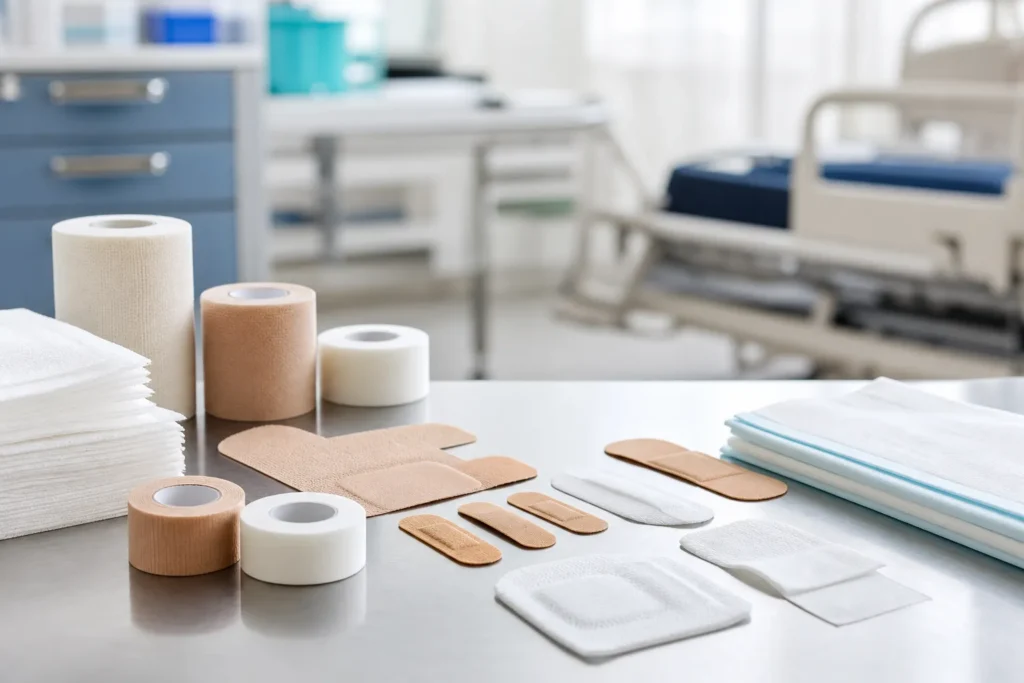
Medical adhesive bandages come in various types, each designed for specific applications. The most common types include:
– **Standard Adhesive Bandages:** These are used for minor cuts and abrasions, providing a protective barrier against dirt and bacteria.
– **Waterproof Bandages:** Ideal for covering wounds that may be exposed to water, they maintain a sterile environment while allowing for normal activities. For more on waterproof options, check out the Top Benefits of Using Waterproof Adhesive Plasters.
– **Flexible Fabric Bandages:** These provide comfort and flexibility, making them suitable for areas that require movement.
– **Hydrocolloid Bandages:** Designed for blisters and deeper wounds, these bandages promote a moist healing environment.
When choosing medical adhesive bandages, key specifications to consider include the size, adhesive strength, material, and breathability. Understanding these factors ensures that the selected bandages will effectively meet the needs of both patients and healthcare providers.
3. Use Cases for Medical Adhesive Bandages
Medical adhesive bandages are widely used in various healthcare settings. Common applications include:
– **Emergency Care:** Quick application on cuts and abrasions in emergency departments.
– **Post-Surgical Care:** Protecting incisions and surgical sites to prevent infection.
– **Chronic Wound Management:** Specialty bandages designed for diabetic ulcers or pressure sores.
Additionally, specialty bandages are available for specific needs, such as pediatric bandages that feature fun designs to comfort children or silicone adhesive bandages that minimize pain during removal.
4. Comparing Different Brands and Products
When selecting medical adhesive bandages, it’s essential to consider brand reputation and reliability. Established brands often have a proven track record of quality and performance. Additionally, performance metrics such as adhesion strength, duration of wear, and moisture control should be evaluated.
User reviews can provide valuable insights into how different products perform in real-world settings. Engaging with peer networks or consulting product comparison websites can help healthcare facilities make informed choices based on collective experiences.
5. Sourcing Medical Adhesive Bandages
Buying medical adhesive bandages in bulk can significantly reduce costs and ensure that your healthcare facility is well-stocked. Bulk adhesive bandages not only offer savings but also streamline inventory management, minimizing the risk of running out of essential supplies during critical times.
Finding reliable medical supply wholesalers is crucial for maintaining a consistent supply chain. Researching wholesalers with a good reputation for quality and service can help healthcare facilities secure the best products at competitive prices. Look for wholesalers that offer a wide range of bandages to meet various medical needs. For further information on sourcing, refer to this technical reference from NIOSH.
6. Implementation in Healthcare Facilities
Once the right medical adhesive bandages are sourced, proper implementation is key. Training staff on the correct application and removal techniques can enhance patient safety and comfort. Additionally, establishing inventory management best practices ensures that supplies are always available when needed. Regular audits of stock levels and expiration dates can prevent wastage and ensure compliance with health regulations.
7. FAQs About Medical Adhesive Bandages
Common concerns regarding medical adhesive bandages include skin reactions, effectiveness, and proper usage. It’s essential to address misconceptions, such as the belief that all bandages are interchangeable. Each type of bandage serves a unique purpose, and selecting the right one is vital for effective wound care.
To select the right bandage, consider the wound type, location, and patient comfort. Consulting with healthcare professionals and reviewing product specifications can guide this decision-making process.
In conclusion, choosing the right medical adhesive bandages for your healthcare facility involves understanding the types available, their applications, and sourcing strategies. By prioritizing quality and training, healthcare providers can enhance patient care and operational efficiency.